Pest library
Rodents
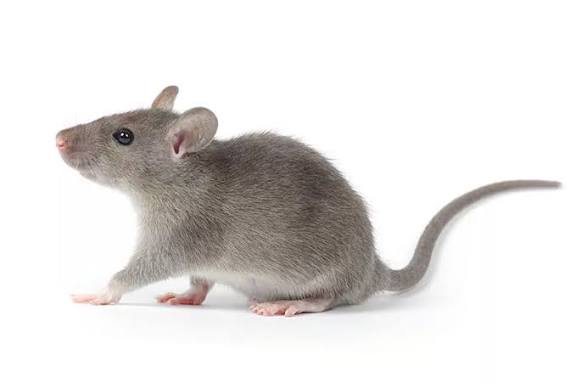
Rats and mice contaminate food, gnaw through wiring and breed faster than most people expect.
Rattus rattus, Rattus norvegicus, Mus musculus
Rats and mice are the pest we are called out to most often in Malawi, in homes, shops, warehouses and grain stores alike. They need very little: a gap the width of a pen for a mouse, a thumb for a rat, and something to eat.
A pair of rats can produce several hundred descendants in a year, so a problem noticed in one room is rarely confined to it. Baiting alone will not hold: unless the way in is closed and the food source removed, the population comes back.
Signs you have rodents
- Droppings along walls, in cupboards or behind equipment
- Gnaw marks on packaging, doors, pipes or electrical cable
- Scratching or scurrying in ceilings and wall voids at night
- Greasy smear marks along regular runs
- Burrows near foundations, drains or stored goods
- A persistent stale, musty smell
Why it matters
- Contaminates food and food-contact surfaces
- Carries salmonella, leptospirosis and other diseases
- Gnawed cable is a serious fire risk
- Damages stock, packaging and building fabric
- Fails food-safety and health inspections
How we treat it
We start with a survey: where they are getting in, what they are eating and which runs they use. Treatment then combines tamper-resistant bait stations placed on those runs, snap traps where bait is unsuitable, and proofing of the entry points we found.
In food premises we use non-toxic monitoring blocks first, so we can show exactly where the activity is before any rodenticide goes down. We return to check and replenish until activity stops, then move the site onto a monitoring schedule.
Book a free site inspection
Tell us what you are dealing with and we will assess the site, identify the source and quote you a treatment plan — at no cost.